The car comes back from a Forest City body shop looking done: color matched, clear coat glossy, panels straight. Under that shine, the paint is still curing. Modern automotive paint dries to the touch quickly, but the solvents in the finish keep leaving and the film keeps hardening for weeks after the car leaves the booth.
That gap between looks done and is done explains the short list of rules shops hand out at pickup. None of them are complicated, and all of them protect the part of the repair you see every day. This calendar walks through the first season with fresh paint, the way J & D Auto Body customers in Forest City typically live it.
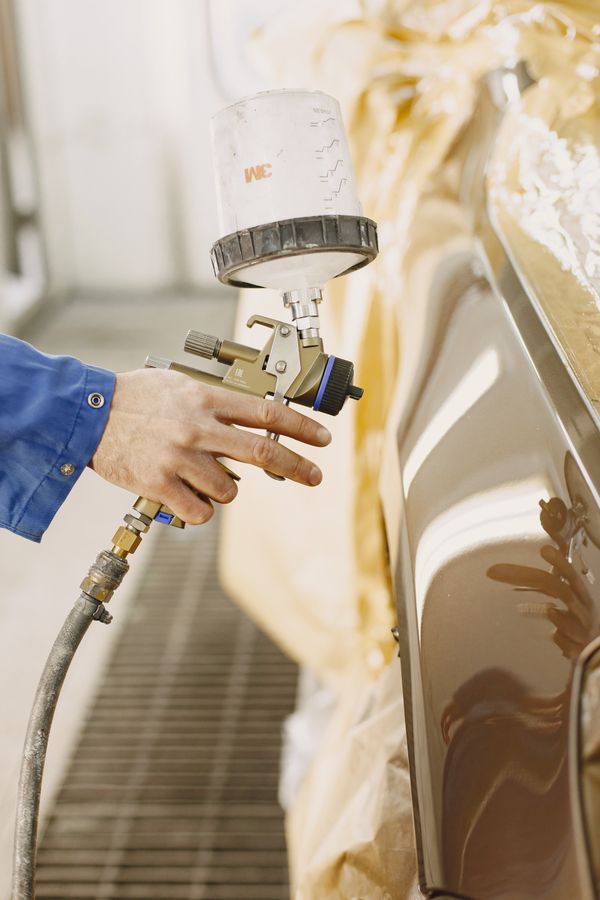
The first two weeks
In the first days, treat the finish as soft. Avoid automatic car washes with brushes or strong detergents, skip pressure washers held close to the surface, and do not park nose-in under trees dropping sap during pollen season if you can help it. Bird droppings and bug splatter should be rinsed off gently and promptly, since they mark soft paint faster than cured paint.
Hand washing is the safe default once the shop says washing is fine, usually after the first several days. Use a clean mitt, mild car-wash soap, and plenty of rinse water, and dry with a soft microfiber towel rather than letting Piedmont summer sun bake water spots into a fresh finish. Keep wax, sealants, and polishing compounds off the car entirely in this window.
| When | Washing | Wax and polish | Watch for |
|---|---|---|---|
| Days 1 to 7 | Rinse gently only if the shop approves | None | Sap, droppings, and bug splatter sitting on soft paint |
| Weeks 2 to 4 | Hand wash, mild soap, soft mitt | None yet | Water spots from drying in direct sun |
| Around day 30 | Normal hand washing | Still wait on wax | Chips from gravel or fresh tar |
| Around day 90 | Normal routine | Wax and sealant back on schedule | Color match in plain daylight |
Weeks three through twelve
By about the 30-day mark, most refinish systems have done the bulk of their curing, and normal gentle hand washing is fully back on the table. Waxing is the milestone people get wrong: the common rule of thumb is to wait roughly 90 days before waxing or sealing fresh paint, because a sealed surface can slow the last of the solvent release and leave the finish softer than it should be.
Ordinary driving is fine throughout. Gravel roads, fresh tar, and highway construction are worth avoiding a little longer if you have the choice, since fresh clear coat chips a bit more easily than fully cured paint. If a stone chip does happen, touch it up promptly so moisture does not get under the film at the edge.
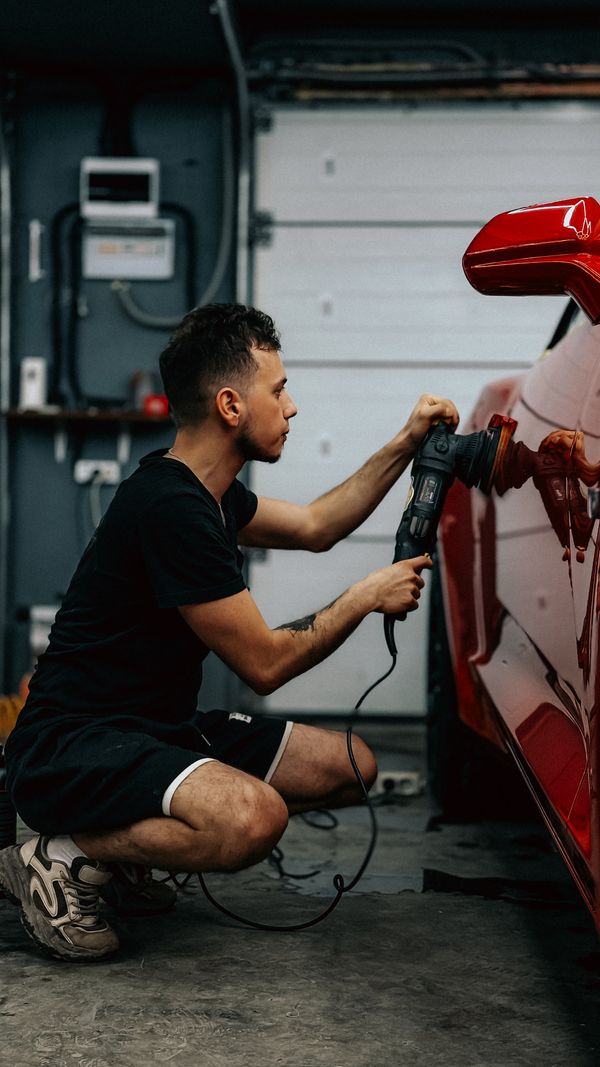
The rest of the first year
After the 90-day window, fresh paint rejoins your normal care routine: wash regularly, wax on your usual schedule, and treat the repaired panels the same as the rest of the car. Color match should be judged in daylight after curing, not under shop lights at pickup, and a good shop will want to know if a panel looks off once you have lived with it.
Keep the repair paperwork with your vehicle records. If a finish issue tied to the repair shows up later, the invoice, paint details, and pickup date are what make the follow-up conversation simple. Most finish problems that appear in the first year trace back to something that happened in the first month, which is why the early rules are worth following even when the car looks perfect.
Everyday life during the cure
Normal life does not stop for curing paint, and most of it is harmless. Commuting, school runs, and highway trips are all fine from day one. The situations worth a second thought are the abrasive and the adhesive: automatic wash brushes, stiff detailing brushes, bug-and-tar removers, adhesive badges or magnets pressed onto a fresh panel, and tape of any kind on the new finish. Each can mark a soft film in a way that would not touch cured paint.
Forest City summers add one more: heat. A fresh panel parked in full July sun cures on the outside quickly, which is another reason the gentle rules run for weeks rather than days. If the car lives outside, a shady spot for the first couple of weeks is a small kindness, not a requirement. And if anything about the finish bothers you in that window, a blister, a dull patch, a spot that feels rough, call the shop while it is fresh in every sense. Early finish questions are far easier to sort than ones raised a year later.
Common questions
Can I run fresh paint through an automatic car wash?
Avoid brush washes and strong chemicals during the first 30 days. A gentle hand wash is the safer choice until the finish has cured further.
What if it rains the week I get the car back?
Rain itself is not a problem. Wipe off standing water and any road splash gently, and do not cover the car with a tight cover while the paint is still curing.
When can I put a protective film or coating on the repair?
Treat films and coatings like wax and wait out the full curing window your shop specifies, commonly around 90 days, so the finish can harden first.
Photos in this guide are representative stock images.
← All guides from J & D Auto Body← Back to J & D Auto Body