Small jobs are the ones drivers around Forest City postpone, because the car still runs. A cloudy headlight, a scuffed bumper corner, a door ding that broke the paint: each one looks like a weekend problem, and each one quietly gets worse in Piedmont sun and summer humidity while it waits.
Headlights are the clearest case. The cloudy film is not dirt. It is the lens itself breaking down under ultraviolet light, and the price of waiting is measured in how much light never reaches the road on a rainy night drive home.
Why lenses cloud
Most modern headlights use polycarbonate lenses with a factory UV coating. Years of sun, road grit, and heat wear that coating away, and the exposed plastic oxidizes into a yellow-white haze. The process is faster on cars parked outside, faster on the sun side of the car, and effectively guaranteed given enough North Carolina summers.
The haze scatters the beam instead of projecting it. Low beams lose reach, the pattern gets fuzzy at the edges, and oncoming drivers get more glare from your lights even as you see less. Restoration works because the damage is a surface layer: sanding through the oxidized plastic in stages, polishing it clear, and resealing the surface with a UV-protective coating brings back most of the original output.
Restoration, replacement, and the in-between
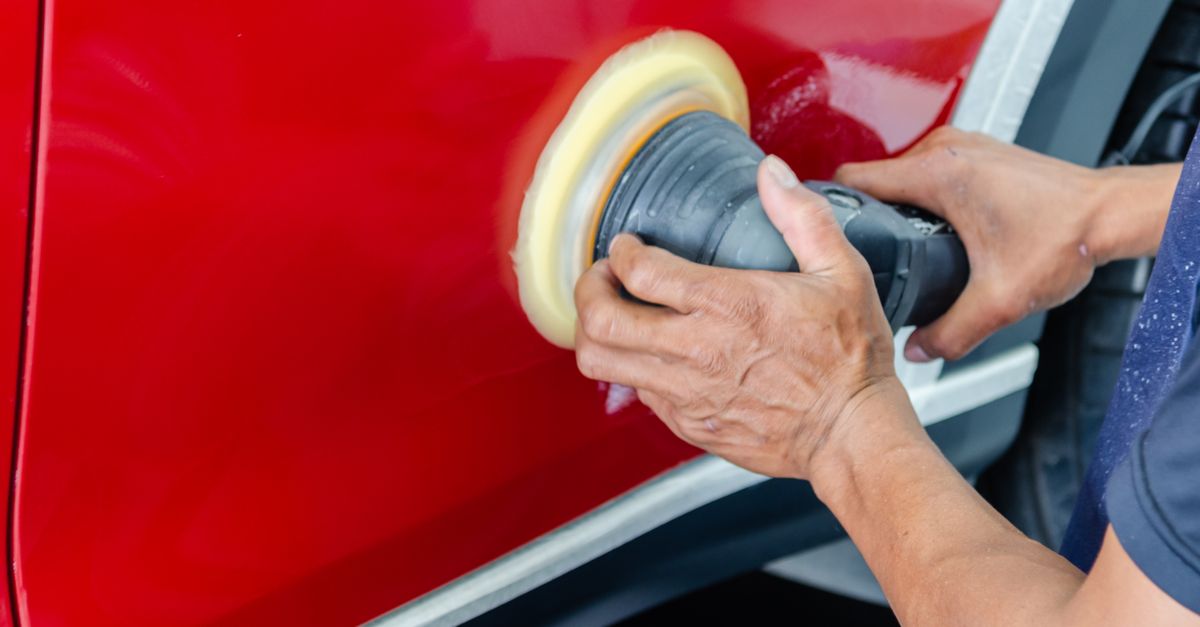
A proper restoration is a sequence, not a wipe. The lens is wet-sanded through progressively finer grits, machine-polished, cleaned, and coated. Skipping the coating step is why cheap fixes cloud again within months: the polished plastic is bare, with nothing standing between it and the sun. Done fully, restoration holds up for years rather than a season.
Replacement is the answer when the lens is cracked, moisture is inside the housing, the reflector is damaged, or the mounting tabs are broken from a hit. Between the two sits the honest middle case: a lens so deeply pitted by gravel that sanding would take too long to be sensible. A shop such as J & D Auto Body can judge that in minutes with the car in front of them, which is the right way to decide.
Other small jobs that should not wait
Paint chips down to bare metal are small jobs with a clock on them. In humid summers, an unsealed chip starts surface rust quickly, and rust creeping under surrounding paint turns a touch-up into a panel repair. Scuffs that only mark the clear coat, by contrast, can often be polished out and genuinely can wait.
Door dings with unbroken paint are candidates for paintless repair and stay stable for a long time, while dings that cracked the paint join the chip category. The pattern is simple: small jobs where the protective surface is broken get worse on their own, and small jobs where it is intact mostly do not. Sorting yours into the right pile is a five-minute conversation, not a commitment.
Reading your own headlights
You can grade your own lenses in two minutes. In daylight, look for the haze pattern: a uniform milky film is classic oxidation, while a lens that is clear in the middle and frosted at the top edge shows where sun hit it hardest. At night, park facing a wall or garage door and switch the low beams on. A healthy lens throws a defined pattern with a visible cutoff line; a hazed lens makes a soft, spread glow with no real edge to it.
Run a fingertip over the surface while you are there. Light roughness is surface oxidation and restores well. Deep pitting feels like sandpaper that never smooths out, and cracks feel like exactly what they are. Also look inside the lens for fog or water droplets after a humid Shelby-to-Forest City summer storm pattern: moisture inside means a seal or housing problem, and no amount of polishing the outside fixes that. Those four observations, film, pattern, feel, and moisture, tell you most of what a shop will confirm when they see the car, and they tell you whether to book restoration, replacement, or just a closer look.
Common questions
Do home headlight kits work?
They can improve a mildly hazed lens, and the good ones include a UV coating step. Deeply oxidized or pitted lenses usually need machine work to come fully clear and stay that way.
Will restored headlights pass inspection?
A properly restored lens that puts the beam back on the road addresses the visibility problem inspectors flag. Cracked housings or moisture inside are replacement territory instead.
How long does restoration take?
Most pairs of headlights are a same-day job, often an hour or two of hands-on work. It pairs easily with other small repairs while the car is already in the shop.
Photos in this guide are representative stock images.
← All guides from J & D Auto Body← Back to J & D Auto Body